
Hear from Our Customers
You’ve noticed the smell. Maybe someone in your house can’t stop coughing, or you’re seeing discoloration on the walls. You need to know if it’s actually mold, what type it is, and how serious the problem has become.
Professional mold testing gives you laboratory-confirmed answers. We use air sampling and surface testing to detect mold you can see and the hidden colonies growing behind drywall or under flooring. Our certified lab analysis identifies the specific species and concentration levels, so you know exactly what health risks you’re dealing with.
This matters because not all mold is the same. Some species cause minor irritation. Others trigger serious respiratory problems or allergic reactions. Testing shows you the difference and helps you make informed decisions about remediation instead of paying for work you might not need.
Early detection saves money. Catching mold before it spreads can mean the difference between a few hundred dollars in targeted removal and thousands in structural repairs. In Woodside and throughout Bucks County, where older homes and humid conditions create perfect breeding grounds, testing is the smartest first step.
We’ve been serving Woodside and the surrounding Bucks County area with honest, thorough mold assessments. We’re not here to upsell you on services you don’t need. We test, we report, and we give you the facts.
Pennsylvania’s housing stock presents unique challenges. Around 40% of homes in this state were built before 1950, and Woodside is no exception. Older construction, combined with rising precipitation levels and our naturally humid climate, creates conditions where mold thrives. We’ve seen it in basements, crawl spaces, around windows, and in attics across this area.
Our inspectors use thermal imaging cameras and moisture meters to identify problem areas that aren’t visible to the naked eye. We collect samples, send them to certified laboratories, and deliver detailed reports you can use for insurance claims, real estate transactions, or your own peace of mind. No pressure. No games. Just clear information about what’s happening in your home.
First, we schedule a time that works for you. Our inspector shows up on time and walks through your property with you, discussing your concerns and any symptoms you’ve noticed. This conversation helps us focus on the right areas.
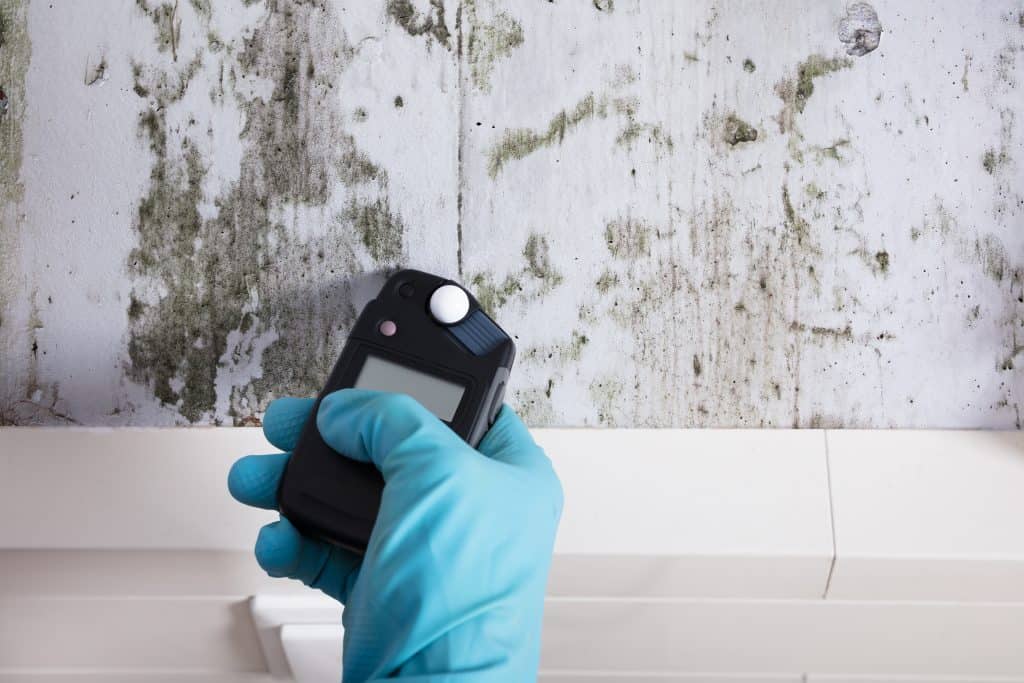
Next, we conduct a visual inspection using professional equipment. Thermal imaging cameras detect temperature differences that indicate moisture problems. Moisture meters measure humidity levels in walls, floors, and ceilings. These tools find elevated moisture before mold becomes visible.
Then we collect samples. Air sampling captures mold spores floating in your indoor environment, which is how we detect hidden colonies. Surface sampling involves taking swabs or tape lifts from areas where we see growth or discoloration. We also take outdoor air samples as a baseline for comparison.
All samples go to a certified laboratory for analysis. You’ll receive a detailed report within 24 to 48 hours that identifies specific mold species, concentration levels, and whether those levels pose health risks. The report includes clear explanations, not just technical jargon.
Finally, we review the results with you. If remediation is needed, we explain what that involves and provide upfront pricing. If the levels are normal, we tell you that too. You get honest answers either way.
Ready to get started?
Every residential mold testing service includes a comprehensive visual inspection of your entire property. We check basements, attics, crawl spaces, bathrooms, kitchens, and any areas where you’ve noticed problems. Our inspectors look for visible mold growth, water damage, condensation, and structural issues that contribute to mold development.
You get both air and surface sampling. Air samples are critical because they capture spores from mold colonies you can’t see. Surface samples confirm the species growing on walls, ceilings, or other materials. We collect multiple samples from different areas to give you a complete picture of your indoor air quality.
All testing includes certified laboratory analysis. The lab identifies each mold species present, measures concentration levels, and compares your indoor air quality to outdoor baseline samples. This comparison shows whether your indoor environment has abnormal mold levels that require attention.
Your detailed report includes photographs, moisture readings, sample locations, lab results, and our professional assessment. This documentation is exactly what you need for insurance claims, real estate disclosures, or legal situations. Many Woodside homeowners use our reports during property sales to prove their home is safe or to negotiate repairs with buyers.
In Bucks County, where flooding is common and precipitation has increased by 5% to 10% in recent years, professional mold testing protects your investment. Pennsylvania law requires sellers to disclose known material defects, including mold. Our independent testing gives you the documentation to comply with disclosure requirements and avoid legal problems down the road.
Professional mold testing in Woodside typically ranges from $300 to $800 depending on your property size and how many samples we need to collect. Basic inspections for smaller homes start around $350. Larger properties or homes with multiple problem areas may cost more because we’re collecting additional samples to get accurate results.
That price includes the visual inspection, moisture detection with professional equipment, air and surface sampling, certified laboratory analysis, and a detailed written report. Some companies charge separately for each service, but we provide upfront pricing so you know exactly what you’re paying before we start.
Testing saves money compared to skipping this step. If you hire a remediation company without independent testing first, you’re trusting them to tell you what needs fixing. That’s a conflict of interest. Independent testing from mold check professionals costs a few hundred dollars now but can save you thousands by confirming you actually have a problem worth addressing and showing you exactly where it is.
The on-site inspection usually takes one to two hours depending on your property size and how many areas we’re testing. We’re thorough but efficient. You’re welcome to follow along and ask questions, or you can leave and we’ll lock up when we’re done.
Laboratory analysis takes 24 to 48 hours after we collect samples. The lab needs time to culture the samples and identify specific mold species under microscopes. We can’t rush this part because accuracy matters more than speed. You’ll receive a complete written report via email as soon as results come back from the lab.
If you need faster results for a real estate closing or urgent situation, let us know when you schedule. We offer same-day inspection appointments and can request expedited lab processing when necessary. The testing process itself is straightforward and won’t disrupt your daily routine for long.
Yes, because visible mold is usually just part of the problem. What you see on the surface often means there’s more growing behind walls, under flooring, or in your HVAC system. Air sampling detects these hidden colonies by capturing spores floating through your home.
Testing also identifies the specific mold species, which matters for health and remediation. Black mold (Stachybotrys) requires different handling than common mildew. Some species produce mycotoxins that cause serious health problems. Others are relatively harmless. You can’t tell the difference by looking, but laboratory analysis gives you definite answers.
If you’re planning to file an insurance claim, you need professional documentation. Insurance companies won’t pay based on your photos or descriptions. They require certified lab results from licensed inspectors. The same applies to real estate transactions. Buyers and their lenders want independent testing, not just your word that the problem is minor. Professional mold testing gives you the documentation that actually holds weight in legal and financial situations.
It depends on what caused the mold. Most Pennsylvania homeowners insurance policies cover mold testing and remediation if the mold resulted from a covered peril like a burst pipe, roof leak, or storm damage. If you had a sudden water event and mold developed as a result, your policy likely covers the inspection and cleanup.
Insurance typically won’t cover mold that developed from long-term neglect, poor maintenance, or ongoing moisture problems you didn’t address. For example, if your basement has been damp for years and you never fixed the drainage issue, that’s considered a maintenance problem rather than a covered loss.
The best approach is to call your insurance company before scheduling testing. Explain the situation and ask whether mold testing related to your specific circumstances is covered. Many policies have mold coverage limits, often around $10,000, which may not cover extensive contamination. We work with insurance companies regularly and can help you understand your coverage options and provide the documentation your adjuster needs to process your claim.
A mold inspection is the visual assessment where we walk through your property looking for visible mold, water damage, moisture problems, and conditions that promote mold growth. We use thermal imaging and moisture meters to identify problem areas. This tells us where mold is likely growing and whether your home has the humidity levels that support mold development.
Mold testing involves collecting actual samples and sending them to a laboratory for analysis. Air samples capture spores floating in your environment. Surface samples collect mold growing on materials. The lab identifies specific species and measures concentration levels. Testing gives you scientific data about what’s in your home and whether those levels are dangerous.
You need both for a complete assessment. The inspection finds the problems. The testing confirms what type of mold you’re dealing with and how serious it is. Some companies offer inspection-only services for less money, but without laboratory testing, you’re just getting an educated guess. We include both inspection and testing in our service because that’s what actually gives you useful information you can act on.
Keep your home closed up for at least 12 hours before we arrive. That means windows and exterior doors stay shut. This allows mold spores to accumulate in the air, which gives us more accurate sample results. If you air out the house right before testing, we might miss detecting mold that’s actually there.
Don’t clean or disturb areas where you suspect mold growth. We need to see the problem in its current state. If you’ve already cleaned visible mold before calling us, that’s fine, but don’t do any additional cleaning right before the inspection. Disturbing mold releases spores into the air and can affect our sample accuracy.
Turn off any air purifiers or filtration systems during the 12-hour closed-house period and during our visit. These devices remove spores from the air, which can lead to false negative results. You can turn them back on as soon as we finish collecting samples. Other than that, just maintain your normal routine. You don’t need to move furniture or do anything special. We’ll access the areas we need to inspect and work around your daily life.
Other Services we provide in Woodside